From the moment I walked in, I knew this place was something special. The vibe is unmatched – cozy yet energetic, with just the right mix of style and comfort. The team is absolutely amazing – warm, professional, and clearly passionate about what they do. You feel genuinely taken care of, not just served. Now, the food? Incredible. Every dish was beautifully presented and bursting with flavor – you can tell there’s real care and creativity in the kitchen. But the true star of the night? The cocktails. I had one that honestly felt like a dream in a glass – perfectly balanced, bold, and original. I’m still thinking about it! If you’re looking for a place with great food, an exceptional team, and the best atmosphere, don’t miss this gem. It’s more than a meal – it’s an experience.
Overview
Walking up the gravel path to Stiegl-Gut Wildshut, you immediately feel like you’ve stepped into a working idea rather than just a restaurant. I first visited on a late spring afternoon after hearing chefs in Salzburg rave about it as a living example of farm-to-table done right. Set in the countryside at Wildshut 8, 5120 Wildshut, Austria, the place blends brewery, organic farm, and diner into one seamless experience, and that mix shows up in every bite and sip.
The menu changes with the fields, not the calendar. During my visit, the server explained how grains grown just meters away were malted on-site for their beers, while vegetables harvested that morning shaped the day’s dishes. That level of transparency is rare. You’re not just told the food is local; you see it. The bread, for example, comes from heritage grains milled in-house, a process that mirrors methods documented by the Austrian Slow Food movement, which has long promoted biodiversity and traditional agriculture. According to research from the FAO, preserving regional grain varieties improves soil health and long-term food security, and Wildshut is actively applying those principles rather than just talking about them.
What stands out in reviews from both locals and visiting food professionals is how approachable the dining experience feels despite its depth. The staff doesn’t lecture; they share stories. One brewer walked me through their spontaneous fermentation beers, explaining it as living beer rather than a finished product. That explanation made complex brewing science-like wild yeast interaction and open fermentation-easy to understand, even for casual diners. It also reflects practices recognized by brewing historians and organizations such as the Brewers of Europe, who cite traditional fermentation as a cornerstone of Central European beer culture.
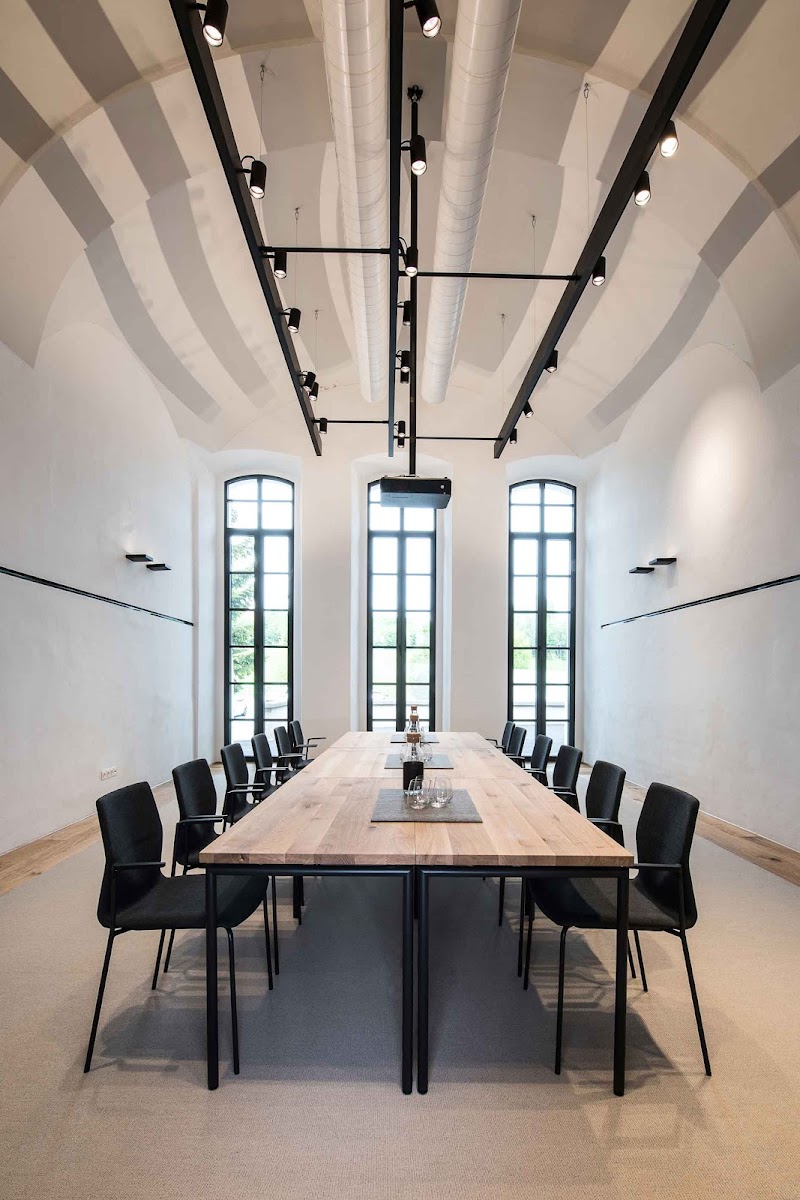
The atmosphere sits somewhere between a rustic inn and a modern diner. Long wooden tables encourage conversation, and it’s common to overhear farmers, chefs, and travelers swapping notes. On weekends, families gather for lunch, while weekdays often attract culinary students and sustainability-minded professionals. That mix gives the place an energy that feels authentic rather than curated. Several guests I spoke with mentioned they drove from Munich or Vienna specifically because friends described it as a place where food has a story, and that reputation clearly travels.
Location-wise, it’s remote enough to feel special but still accessible. Many visitors pair a meal with a walk around the property, where you can see barley fields, hop gardens, and livestock. This isn’t a staged tour; it’s a working system. Not everything is labeled, and that’s one limitation worth noting. If you’re unfamiliar with organic farming or brewing, you might miss some details unless you ask. Fortunately, the staff is happy to explain, and their answers are grounded in real practice rather than marketing lines.
Pricing reflects the work involved but remains reasonable compared to urban fine dining. Portions are generous, and the focus is clearly on nourishment rather than presentation alone. Online reviews often highlight consistency, especially with seasonal dishes like root vegetable stews in winter or fresh grain salads in summer. That consistency is hard to achieve when menus shift so often, and it speaks to strong kitchen leadership and process control behind the scenes.
Overall, this is the kind of restaurant-diner hybrid that reshapes expectations. It’s not just about eating well; it’s about understanding how food, land, and community connect in real life.
Good to know
Service options
✓ Outdoor seating ✓ On-site services ✓ Dine-in ✓ DeliveryHighlights
✓ Great beer selection ✓ Great coffeePopular for
✓ Breakfast ✓ Lunch ✓ Dinner ✓ Solo diningAccessibility
✓ Wheelchair-accessible car park ✓ Wheelchair-accessible entrance ✓ Wheelchair-accessible seating ✓ Wheelchair-accessible toiletOfferings
✓ Alcohol ✓ Beer ✓ Coffee ✓ Late-night food ✓ Organic dishes ✓ Spirits ✓ Vegan options ✓ Vegetarian options ✓ WineDining options
✓ Breakfast ✓ Brunch ✓ Lunch ✓ Dinner ✓ Dessert ✓ Seating ✓ Table serviceAtmosphere
✓ Casual ✓ Cosy ✓ Quiet ✓ Romantic ✓ Trendy ✓ UpmarketCrowd
✓ Groups ✓ TouristsPlanning
✓ Brunch reservations recommended ✓ Lunch reservations recommended ✓ Dinner reservations recommended ✓ Accepts reservationsPayments
✓ Credit cards ✓ Debit cards ✓ NFC mobile payments ✓ Credit cardsChildren
✓ Good for kids ✓ Has changing table(s) ✓ High chairsParking
✓ Free of charge street parking ✓ Free parking lotPets
✓ Dogs allowedPhotos
Location
Reviews
We absolutely love to go to Wildshut for any occasion. We have enjoyed going back for the full brunch experience, a casual lunch, and a romantic dinner. The menu is always the highest quality. Recommend going with a group in order to share the courses.
I've visited a few times, and it's always worth visiting again. The staff are all so kind and welcoming. The place is really unique, with the food and beers all created on site, along with all/nearly all the ingredients on the farm. Interesting and delicious drinks and food abound in beautiful surrounds, with kind hosts. It's also possible to get tours of the brewery, which are fascinating too. It's simply all good, well worth a visit.
What a wonderful place! Visited on a tour to the Stiegl Brewery from the Uk. Wildshut is in a beautiful area. Immediately loved the little quiet area it was in. Very little traffic. Very picturesque. Food was incredible. Very well put together. Plenty of it and paired with some great tasting beers! The tour was also fascinating. Going around and experiencing how the smaller batches of beer were made there and getting to try some of their more unique beers. Would 100% recommend
Fantastic place, almost fully self-sustainable, everything is grown and processed at spot. They grow their own grains, malt it, grow hops,brew beer,not to mention ancient technique of maturing the beer in kvevri. The only one fully wooden brewery in Austria. Just go and enjoy. Don't expect your standard brewpud food, by the way. Everything served is a gastronomic experience and a journey.
Tasty food, full of beer history. Friendly staffs. Recommended :)
Summer 2024 - I made it to the Wildshut! What an absolutely wonderful experience! The grounds are gorgeous, the rooms immaculate, and the service beyond 5-Star! We tasted several delicious and unique beers, had a wonderful couple meals, and created a new MUST visit each time we are in Europe. LOVELY! Thank you sooooo much for all the hospitality! Ed and Eva (aka @Stiegl_guy) I am so jealous! My wife was guest of friends and visited the Wildshut and they all LOVED IT ! They had a wonderful lunch, beautiful walk around the grounds and a fascinatingly unique specialty Stiegl bier. They all said everything was so fresh and stunning, if they could give 10 Stars they would! Next time, I will be there!
It is a magical place .. Discovered by chance .. I ate so delicious. All the products are really fresh and genuine, countryside environment, all very friendly. A place to come back for sure ...